The Exercise Your Bones Actually Need (And It Isn’t Walking)
This article is for educational purposes and is not medical advice. Always consult a menopause-certified provider about your individual situation, especially if you have a diagnosed bone condition. Some links are affiliate links, and we may earn a small commission at no cost to you. We only recommend brands we’d send to our own sisters.
The Exercise Your Bones Actually Need (And It Isn’t Walking)
You have probably heard that walking is good for your bones. It is good for a lot of things. It is not, on its own, going to be enough for what’s coming.
Somewhere in perimenopause, usually without a single symptom to announce it, your bones start losing density faster than at any other point in your adult life. Not because you did something wrong. Because estrogen was quietly doing bone-maintenance work for decades, and now it’s stepping back.
Why Bone Loss Accelerates Now
Estrogen isn’t just a reproductive hormone. It also regulates the cycle of bone breakdown and bone rebuilding that runs in your body your entire life, old bone gets cleared away, new bone gets built in its place, on a loop.
As estrogen declines, that loop tips out of balance. Breakdown keeps going. Rebuilding slows down. Women can lose up to twenty percent of their bone density in the five to seven years around menopause, most of it concentrated right here, in perimenopause and the years just after.
This is why bone density matters now, not later. The habits you build in this decade are what your skeleton is working with for the next four.
Why Walking Alone Doesn’t Cover It
Walking is genuinely good for your heart, your mood, your joints. But bone responds to a specific kind of stimulus, mechanical load significant enough to signal “build more here.” Walking, for most women at a normal pace, doesn’t create enough load to meaningfully trigger that signal in your hips and spine, which are exactly the sites where fracture risk matters most.
Bone is like muscle in one important way. It gets stronger in response to being asked to do more than it’s used to. A gentle stroll is not asking much.
What Actually Builds Bone
Two categories of movement carry real evidence behind them for bone density specifically.
Weight-Bearing Impact
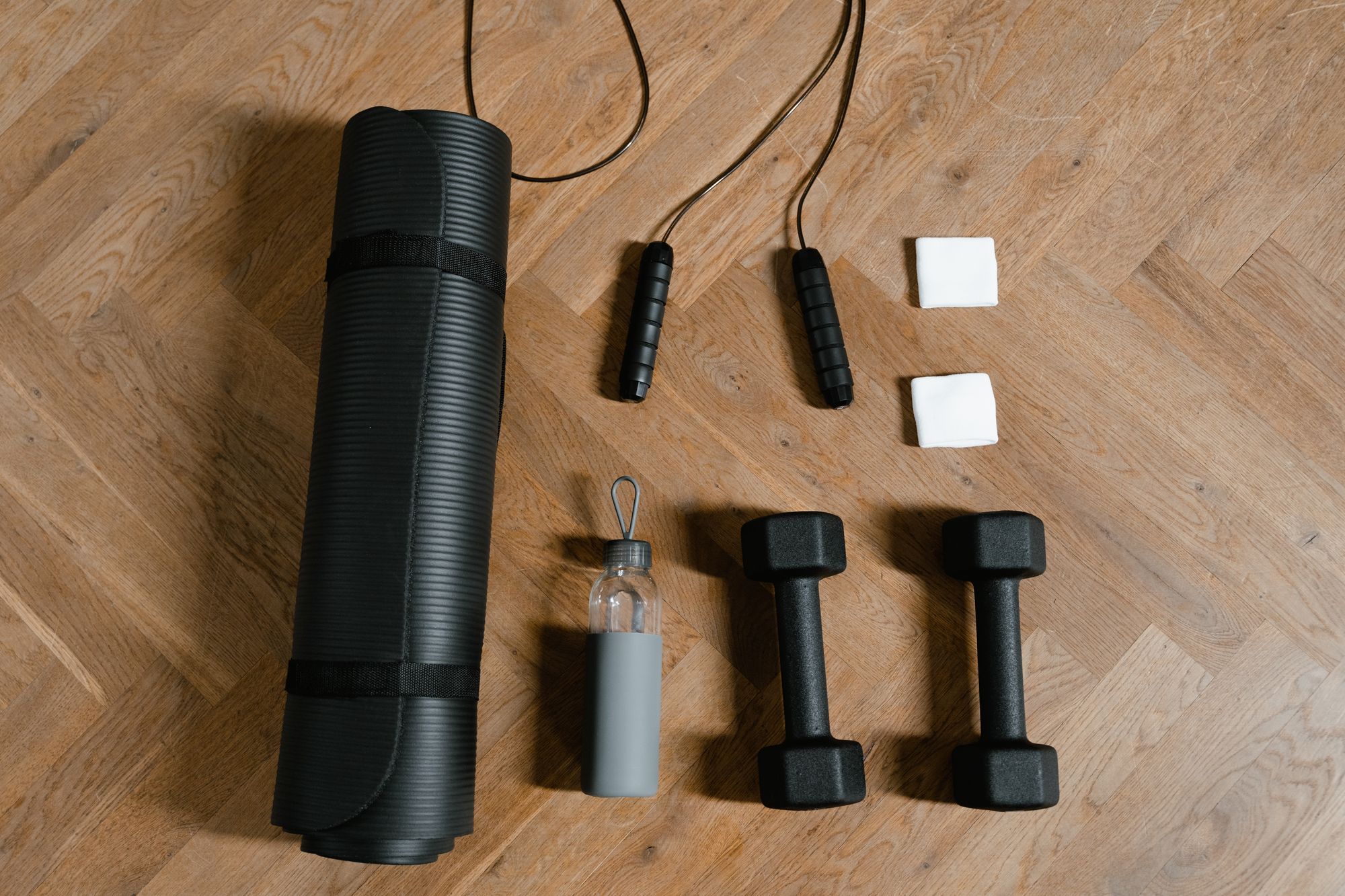
This means movement where your body works against gravity with some jolt or impact involved, not just carrying your weight around gently. Think brisk-to-fast walking with intention, stair climbing, dancing, or, if your joints tolerate it, light jogging or jump rope intervals.
The impact itself is the signal. A few minutes of genuine impact several times a week does more for bone than an hour of flat, easy walking.
Resistance Training
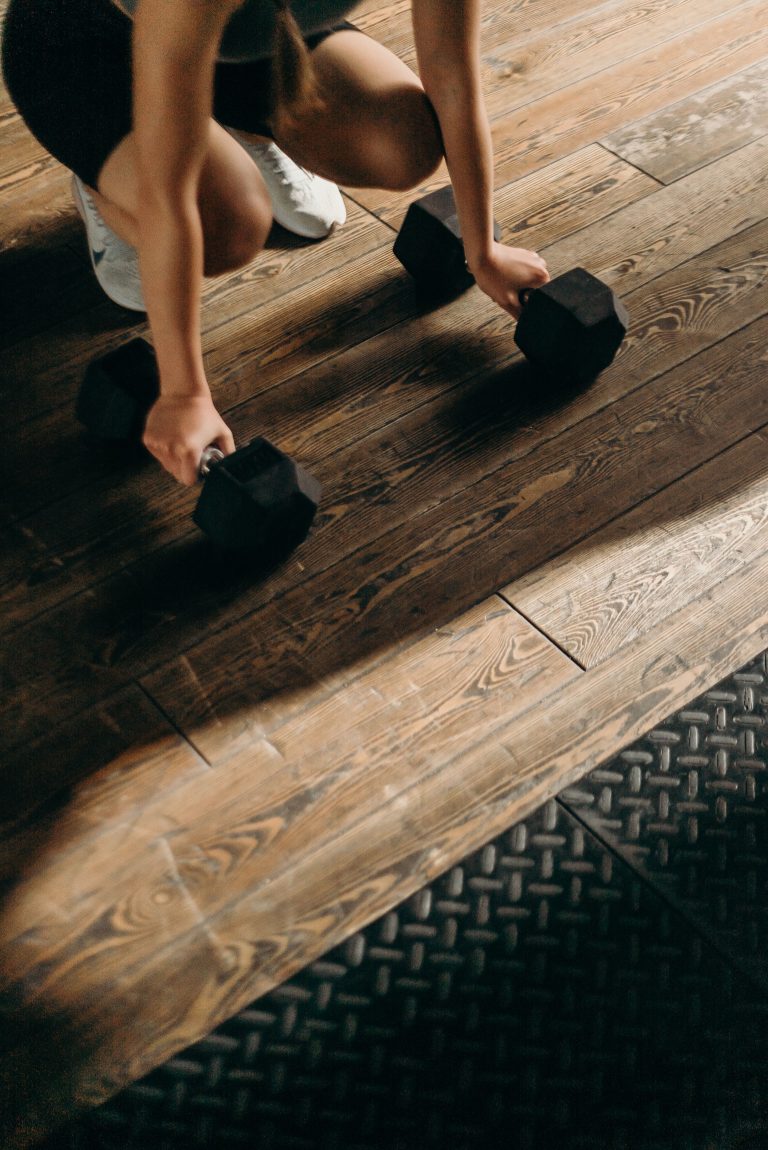
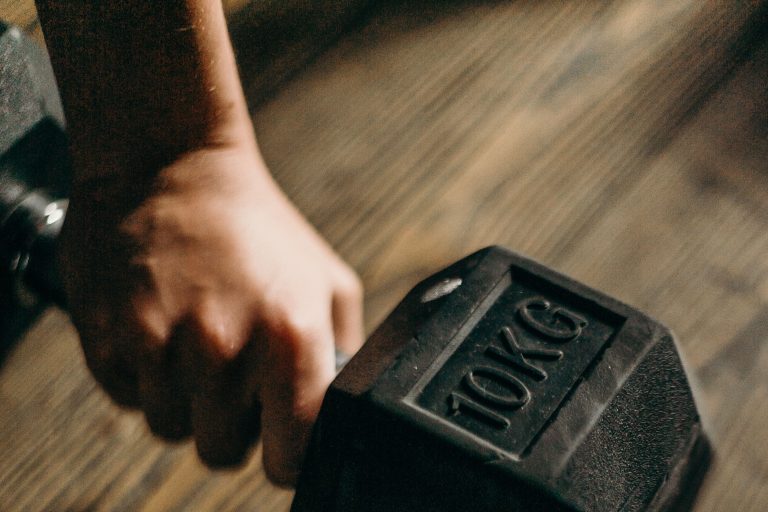
This is the more powerful lever of the two, and it’s the one most women skip. Lifting weight, particularly compound movements like squats, deadlifts, and presses, loads your bones directly through the muscles and tendons attached to them. Your spine and hips, the two most fracture-critical sites, respond directly to this kind of loading.
If you haven’t started strength training yet, we laid out the full beginner protocol in the muscle protocol for women over 40. The bone benefit is a direct extension of the muscle benefit, you are not doing two different things, you’re doing one thing that helps both.
A weighted vest is a simple way to add load to walks you’re already taking, turning a gentle habit into a genuine bone-building one without changing your routine much at all.
The Nutrients That Support the Work
Exercise builds the signal. Your body still needs the raw materials to answer it.
Calcium remains the foundational building block of bone itself. Vitamin D is what allows your body to actually absorb that calcium, without enough of it, calcium intake doesn’t translate into bone. And Vitamin K2 directs calcium specifically into bone and teeth, rather than letting it drift into soft tissue where you don’t want it.
A calcium, D3, and K2 combination supplement covers all three in the ratios most commonly recommended, worth discussing with your doctor if you’re also on other medications, since calcium can interact with some of them.
What This Actually Looks Like in a Week
Two to three strength sessions, following the same squat, hinge, push, pull structure from the muscle protocol. Two or three short bouts of genuine weight-bearing impact, a fast-paced walk, some stairs, a few jump rope intervals if your joints are happy with it. And the nutrients in place to support what the exercise is asking your body to do.
Nothing here requires a gym you don’t have access to or hours you don’t have free. It requires trading some of the gentle movement for a little more that actually asks something of your skeleton.
The Part Worth Sitting With
Nobody hands you a diagnosis for the bone density you’re quietly losing right now. There’s no morning where you wake up and feel it happening. That’s exactly why it’s easy to keep doing the gentle version and assume it’s covering you.
It probably isn’t. And the good news is that the fix isn’t complicated, it’s just specific. Your bones want load. Give it to them now, while you still have decades to benefit from the investment.
Defined by fire. Built to last.
If this landed, it’s the kind of thing ARDVI sends out every week. Come join the list, and keep the rest of it close. Join the Fire