The Hair Thinning Nobody Warns You About (And What Actually Helps)
The Hair Thinning Nobody Warns You About (And What Actually Helps)
Somewhere in your forties, you start noticing more of your own hair. In the shower drain. On the pillow. In the brush. Not falling out in clumps, just thinner, quieter, less of what used to be there without asking.
Nobody warned you about this part. We talk about hot flashes and mood and sleep, and hair rarely makes the list, even though it is one of the most common changes women notice in perimenopause.
Why this happens, and why it is not you doing something wrong
Estrogen and progesterone both support the hair growth cycle, keeping more strands in their growing phase for longer. As those hormones decline in perimenopause, more hair shifts into its resting and shedding phase at once. The result is not baldness. It is density. Your part looks a little wider. Your ponytail feels a little thinner in your hand.
Stress compounds it, since a stressful season can push even more hair into shedding a few months later, which is why thinning often seems to show up “out of nowhere” when it is actually catching up to something from months back.
None of this means something is broken. It means your body is going through a real, well-documented transition, and it deserves gentle, informed care instead of panic or an expensive miracle serum.
What actually helps
Be gentle at the root, literally. Harsh sulfates and hot styling tools stress a scalp that is already more sensitive during this transition. A milder, herbal-based cleanser gives thinning hair a calmer environment to work with. We like [Pura D’or Original Gold Label Shampoo, a sulfate-free, herbal-forward formula made for thinning hair, over anything with a long list of harsh sulfates.
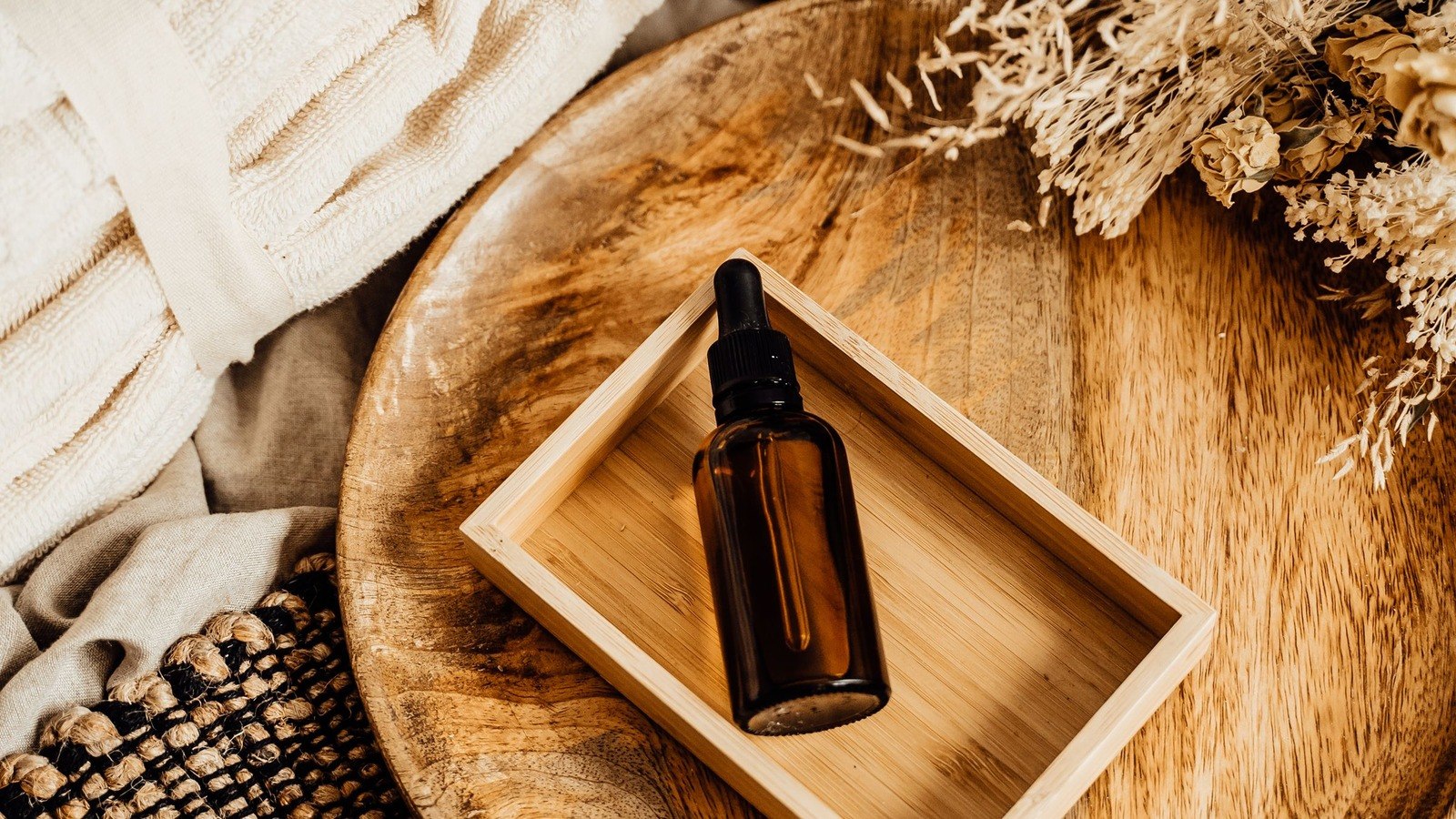
Feed the scalp, not just the strand. Circulation to the scalp matters for hair growth, and a warm oil massage a few times a week can genuinely help. Celsius Herbs neem oil for hair and scalp is a traditional pick here, worked in at the roots before a wash, left on for twenty minutes or overnight.
Check the basics your doctor can actually test. Thyroid function, iron, and vitamin D all affect hair, and low levels of any of them can worsen thinning that hormones already started. A simple blood panel with your doctor can rule these in or out, worth doing before assuming it is “just menopause.”
Be patient with the timeline. Hair grows in cycles measured in months, not weeks. Any change you make, gentler products, scalp massage, addressing a deficiency, needs eight to twelve weeks before you can honestly judge whether it worked.
What you do not need
You do not need to panic-buy every thickening serum on the internet. You do not need to blame yourself for a hormonal shift you did not cause. And you do not need to hide it under increasingly elaborate styling, though if that helps you feel like yourself some days, that is fine too.
Your hair is going through the same transition the rest of you is. It is allowed to take its time.
Defined by fire. Even the parts that are thinning.
This article is for educational purposes and is not medical advice. Sudden or severe hair loss should always be evaluated by a doctor to rule out other causes. Some links are affiliate links, and we may earn a small commission at no cost to you. We only recommend what we would send to our own sisters.